Which Temples Do Ayutthaya Tours Visit
Across the 21 bookable listings on this site, the same handful of ruins keeps appearing. Here is which temple shows up on which tour, what each one is, and what you pay at the gate.
Short answer
Most Ayutthaya tours visit Wat Mahathat, Wat Phra Sri Sanphet and Wat Chaiwatthanaram, the three ruins named on the most listings. Foreigners pay 80 baht per ticketed temple or 300 baht for the 7-site ticket, sold in cash at the gates. The park grounds are free and open 8am to 6pm daily.
Which Temples Do Ayutthaya Tours Visit?
Almost every Ayutthaya tour stops at Wat Mahathat, Wat Phra Sri Sanphet and Wat Chaiwatthanaram, the three ruins that dominate the island and the west bank. Day trips from Bangkok add Bang Pa-In Palace or a floating market, bike tours weave in Wat Lokayasutharam and Wihan Phra Mongkhon Bophit, and the private longtail boat tour reaches riverside temples no van can reach. Of the 21 listings on this site, 15 name Wat Mahathat outright. If you're torn between two ancient capitals, the Ayutthaya versus Sukhothai comparison explains which ruins suit a day trip and which deserve an overnight stay.
The pattern is not accidental. Tour operators build routes around the ruins that define the visit: the Buddha head in the tree roots at Wat Mahathat, the three chedis of Wat Phra Sri Sanphet, and the riverside prangs of Wat Chaiwatthanaram at sunset. If a listing names only one temple, that temple is almost always Chaiwatthanaram, because its riverside setting is the one visitors remember in photographs. The small-group full-day tour from Bangkok, a strong pick on this roster, rated 4.7 across 1,728 reviews, names four stops including Bang Pa-In Palace, which is the standard shape of a full-day itinerary.
What varies between listings is everything around those three anchors. The lunch-included group tour adds the Reclining Buddha at Wat Lokayasutharam. The three-stop railway and floating markets combo spends most of its day at Maeklong and Damnoen Saduak, so Ayutthaya time on it is a fraction of the itinerary. The private longtail boat tour skips the island entirely and runs the river past four temples you otherwise see only from the road bridge. This guide breaks all of it down, temple by temple, listing by listing, so you can match the tour to the ruins you actually want to stand inside. For a broader sense of what is included beyond the stops themselves, see what Ayutthaya tours include.
The Temples Named On The Most Tour Listings
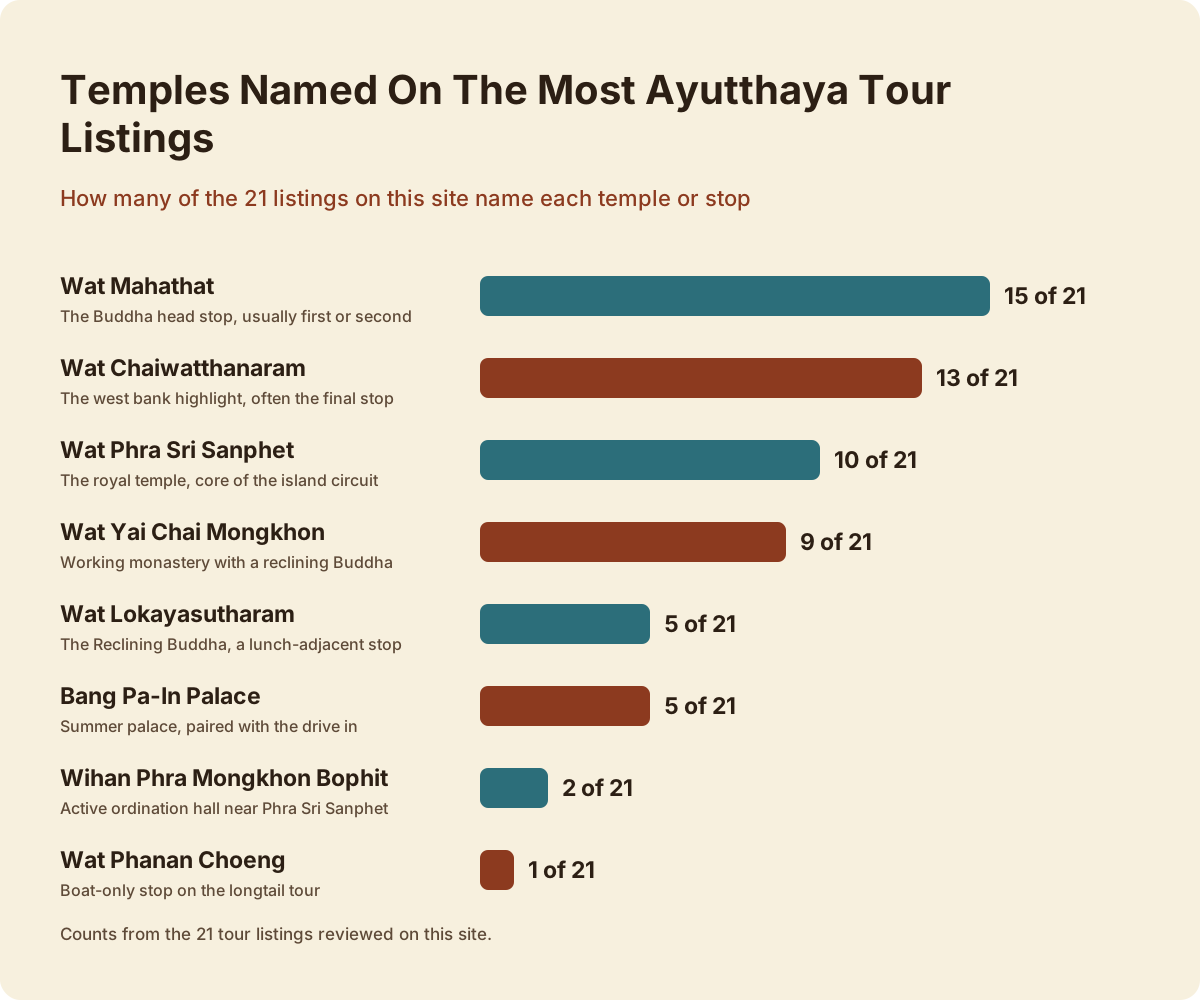
Wat Mahathat leads the roster, named on 15 of the 21 listings, followed by Wat Chaiwatthanaram on 13 and Wat Phra Sri Sanphet on 10. Wat Yai Chai Mongkhon appears on 9, Wat Lokayasutharam on 5, and Bang Pa-In Palace on 5. Every other temple, from Wat Phanan Choeng to Wat Worachettharam, shows up on just one or two listings, usually the specialist ones.
Counting the "temples named" field across every listing gives a clear hierarchy, and it matches what the ruins themselves deserve. The three headline temples are the ones with the strongest single image: a Buddha head grown into tree roots, a row of three chedis, and a riverside monastery that glows at dusk. Operators know most travellers have seen those photographs before they ever book. Before you picture yourself at those famous sites, a quick look at our dress code guide for Ayutthaya's temple grounds will save you from being turned away at the entrance.
| Temple or stop | Listings naming it | Role on the itinerary |
|---|---|---|
| Wat Mahathat | 15 of 21 | The Buddha head stop, usually first or second |
| Wat Chaiwatthanaram | 13 of 21 | The west bank highlight, often the final stop |
| Wat Phra Sri Sanphet | 10 of 21 | The royal temple, core of the island circuit |
| Wat Yai Chai Mongkhon | 9 of 21 | Working monastery with a reclining Buddha |
| Wat Lokayasutharam | 5 of 21 | The Reclining Buddha, a lunch-adjacent stop |
| Bang Pa-In Palace | 5 of 21 | Summer palace, paired with the drive in |
| Wihan Phra Mongkhon Bophit | 2 of 21 | Active ordination hall near Phra Sri Sanphet |
| Wat Phanan Choeng | 1 of 21 | Boat-only stop on the longtail tour |
Two things stand out in that table. First, the coverage drops off a cliff after the top four, so a listing that promises "hidden temples" beyond them is usually adding smaller free sites, not ticketed ruins. Second, Bang Pa-In Palace appears on exactly the listings that run a private vehicle or a comfortable coach, because the palace sits south of the island and adds driving time. The private Ayutthaya tour with driver and guide format is the natural fit if the palace matters to you.
If you want the fullest temple coverage in one booking, these three listings represent the small-group, lunch-included and private approaches to the same core circuit.
What Each Major Temple Actually Is
Wat Mahathat is a ruined royal monastery holding the famous Buddha head entwined in tree roots. Wat Phra Sri Sanphet is the former royal temple with three landmark chedis. Wat Chaiwatthanaram is a riverside Khmer-style monastery on the west bank, and Wat Yai Chai Mongkhon is a still-active monastery with a large reclining Buddha. Wat Lokayasutharam holds the island's biggest reclining Buddha, lying in the open air.
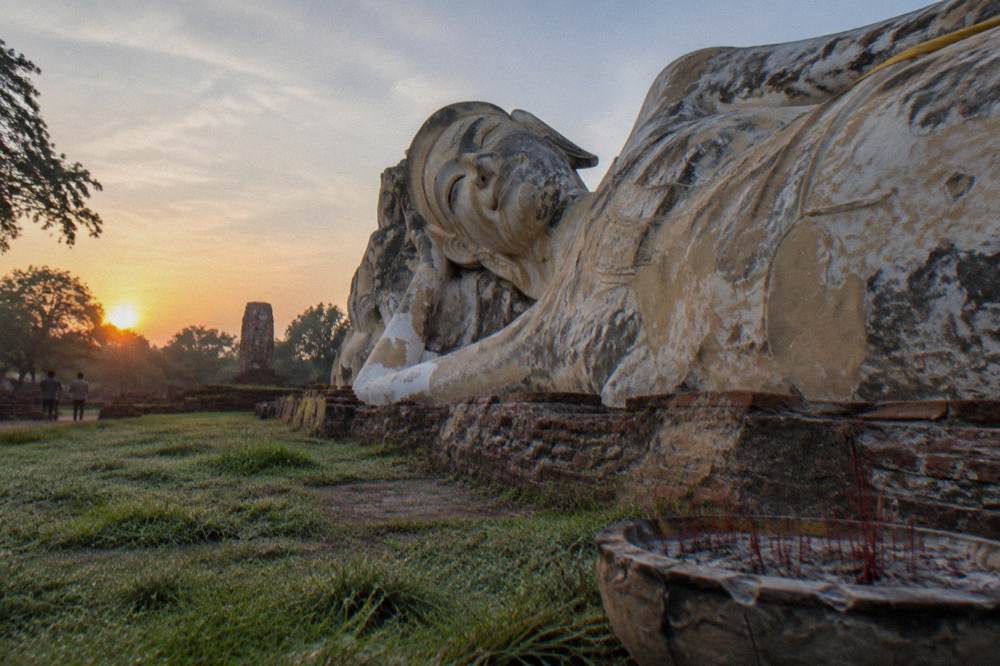
Ayutthaya was founded in 1351 and sacked in 1767, and the park preserves the ruins of that capital, inscribed by UNESCO in 1991. Each headline temple played a distinct role in the old city, which is why tours string them together rather than picking one.
| Temple | What it was | What you see today |
|---|---|---|
| Wat Mahathat | Royal monastery in the city centre | Buddha head in banyan roots, prang, rows of headless Buddhas |
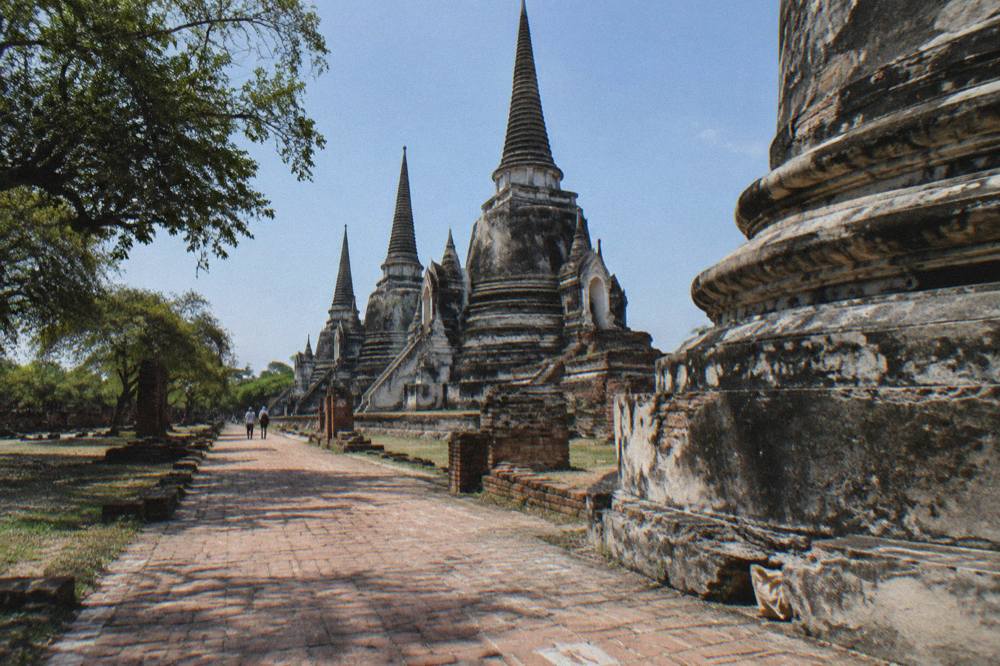
| Wat Phra Sri Sanphet | Royal temple inside the palace grounds | Three restored chedis in a row, stupa bases |
| Wat Chaiwatthanaram | Riverside monastery, Khmer-influenced layout | Central prang, satellite chedis, river frontage |
| Wat Yai Chai Mongkhon | Monastery restored and still active | Large reclining Buddha, tall chedi, working ordination hall |
| Wat Lokayasutharam | Monastery west of the centre | 37-metre reclining Buddha in the open air |
| Wihan Phra Mongkhon Bophit | Chapel housing a large bronze Buddha | Gilded Buddha inside an active hall |
The reclining Buddha length, 37 metres, is the kind of number that varies between sources, but the figure is consistent across the site's verified research. At Wat Mahathat, etiquette matters: visitors crouch or kneel so their head sits lower than the Buddha head, and touching the roots is not permitted. The story of how the head ended up in the tree is treated separately in the Buddha head guide, which covers what is and is not known.
Dress is the other practical point that applies at every stop: shoulders and knees covered, the same standard Thai temples apply everywhere. The what to wear guide goes into fabric and footwear choices for the heat.
Deciding between a guided route and your own circuit? The box below covers the full-day option that hits all three headline temples.
Official Temple Fees And Opening Hours
Foreigners pay 80 baht per ticketed temple or 300 baht for a 7-site ticket covering Wat Phra Si Sanphet, Wat Phra Ram, Wat Mahathat, Wat Ratchaburana, Wat Chaiwatthanaram, Wat Maheyong and Wat Kudi Dao. The park grounds are free, hours are 8am to 6pm daily, and tickets are sold in cash at the gates with no official online booking.
Those figures come from the Fine Arts Department's own park page, which lists the foreign rate of 80 baht per site and 300 baht for the seven sites. Some older guide sites still quote lower numbers, but the official page is the one to trust. The combination ticket is bought at the first ticketed site you visit, in cash, and the site does not state a validity period, so plan to use it within your visit rather than banking it for a return trip.
| Item | Foreign visitor rate | Notes |
|---|---|---|
| Ticketed temple, each | 80 baht | Wat Mahathat, Phra Sri Sanphet, Chaiwatthanaram and others |
| 7-site combination ticket | 300 baht | Phra Si Sanphet, Phra Ram, Mahathat, Ratchaburana, Chaiwatthanaram, Maheyong, Kudi Dao |
| Park grounds | Free | Walking and cycling between sites costs nothing |
| Wat Yai Chai Mongkhon | About 20 baht | Secondary guides; smaller active temples charge in this range |
| Wat Lokayasutharam | Free | Open-air reclining Buddha, no booth |
| Chao Sam Phraya National Museum | 150 baht | Foreigner rate; opening days vary by source, check locally |
The practical maths is simple: three or more ticketed temples and the 300 baht ticket pays for itself. Most tours visit two or three ticketed sites, with the free and cheap ones filling the gaps. Note that few listings on this roster state that temple entry is included, so budget the fees separately from the tour price. A day of fees sits in the same range as a bowl of boat noodles multiplied several times over, which is to say modest, but bring cash because the gates do not take cards.
Which Listings Name Which Temples
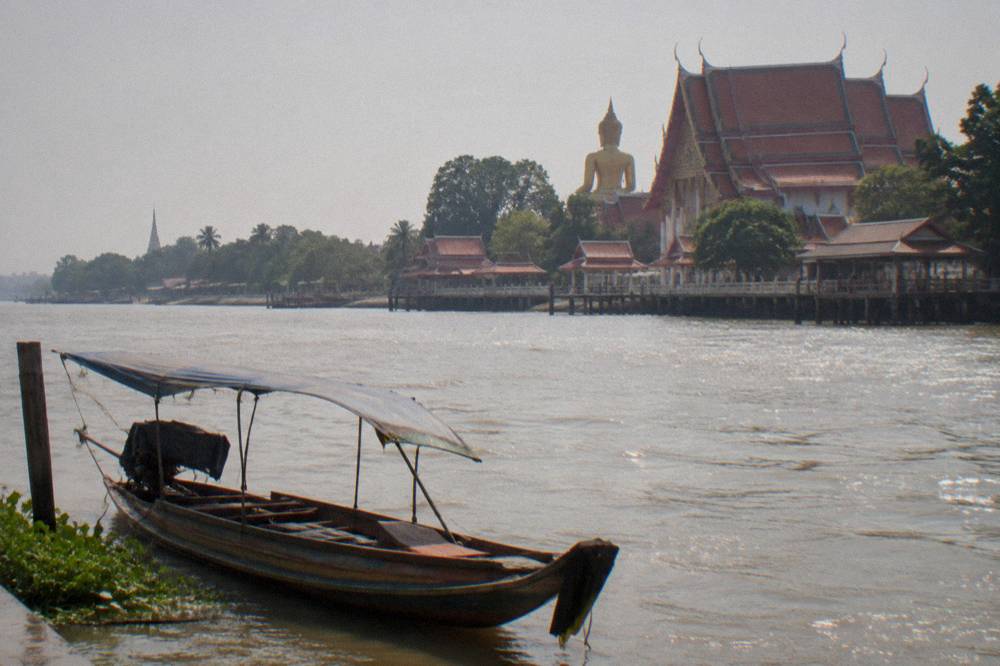
The small-group full-day tour names Wat Mahathat, Wat Phra Sri Sanphet, Wat Chaiwatthanaram and Bang Pa-In Palace. The lunch-included group tour swaps the palace for the Reclining Buddha. The boat-and-tickets experience adds Wat Yai Chai Mongkhon, and the private longtail boat tour is the only listing reaching Wat Phanan Choeng, Wat Kasattrathirat and Wat Phutthaisawan.
The table below pulls the temples named field from a representative spread of the roster, so you can see the shape of each itinerary at a glance. Durations and ratings are the verified figures from each listing. More of these guides are collected on Ayutthaya Historical Park Tours.
| Listing | Temples named on the listing | Duration | Rating |
|---|---|---|---|
| UNESCO full-day, small group | Mahathat, Phra Sri Sanphet, Chaiwatthanaram, Bang Pa-In | 11h 30m | 4.7 from 1,728 reviews |
| Temples tour with lunch | Mahathat, Phra Sri Sanphet, Chaiwatthanaram, Lokayasutharam | 7h 30m | 4.7 from 867 reviews |
| Experience with boat ride and tickets | Mahathat, Yai Chai Mongkhon, Chaiwatthanaram | 8h | 4.9 from 861 reviews |
| Sunset tour with cruise | Yai Chai Mongkhon, Mahathat, Chaiwatthanaram | 8h | 4.4 from 368 reviews |
| Private longtail boat tour | Chaiwatthanaram, Phanan Choeng, Kasattrathirat, Phutthaisawan | 50m to 4h | 4.6 from 121 reviews |
| Heritage express train and bus | Chaiwatthanaram only | 7h | New listing, no reviews yet |
| Full-day bike tour | Mahathat, Phra Sri Sanphet, Chaiwatthanaram, Lokayasutharam, Bophit | 6h | 4.8 from 66 reviews |
| Private guided day tour, 4 temples | Yai Chai Mongkhon, Mahathat, Phra Sri Sanphet, Chaiwatthanaram | Not stated | 4.5 from 68 reviews |
Two listings deserve a flag. The heritage express train and bus day trip is a new listing with no reviews yet, so it has no track record to point to; it meets at a central Bangkok station, runs a 75-minute train out and a bus back, and names only Wat Chaiwatthanaram. The railway and floating markets full-day tour is a three-stop combo, Maeklong railway market, Damnoen Saduak and Ayutthaya, so its temple time is a fraction of an 11-hour day.
The experience with boat ride and tickets is the listing to look at if you want the headline temples plus a river leg: the listing states hotel pickup in Bangkok, a group or private group format, and a 4.9 rating from 861 reviews, with Wat Mahathat, Wat Yai Chai Mongkhon and Wat Chaiwatthanaram named. Its boat leg gives you the river angle on the west bank that the coach tours only photograph from shore.
For a fuller comparison of guided versus independent routes, the Ayutthaya guided tour or on your own guide works through the trade-offs with the same roster.
The West Bank Sunset Temple And Riverside Stops
Wat Chaiwatthanaram is the west bank temple that most sunset tours finish at, reached by road bridge or by boat, and it has remained open through the recent river rise behind a protective flood barrier. The private longtail boat tour is the only roster listing that also reaches Wat Phanan Choeng, Wat Kasattrathirat and Wat Phutthaisawan along the river.
Chaiwatthanaram sits on the west bank of the Chao Phraya, apart from the island cluster, which is exactly why it works as a finale: the prangs catch the low sun across open water. News coverage of this season's river rise reported the site staying open behind a 165-metre, 1.9-metre-high prefabricated barrier, with a second barrier at Wat Kasattrathirat. Rivers can restrict access at low-lying sites in the wet season, so check locally if you are travelling between September and November.
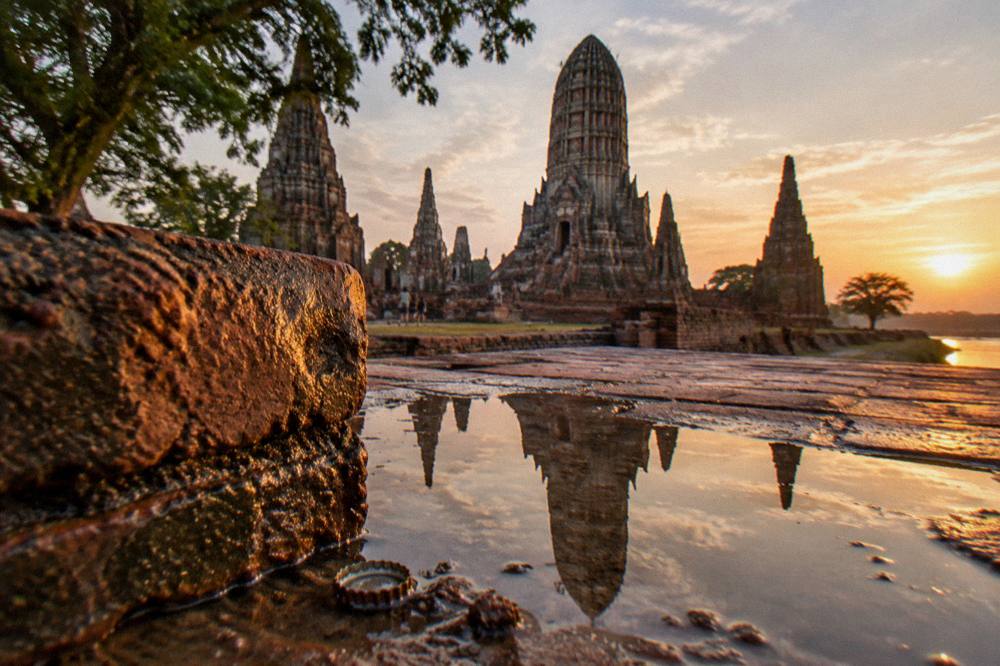
Four roster listings put a sunset or evening angle on their route without being night tours: the heritage tour with sunset boat ride, the sunset tour with cruise, the private longtail boat tour and the three-hour sunset bike ride. All run late afternoon into golden hour, and temple illumination happens only during announced events, so do not book any of them expecting lit-up ruins after dark. The dedicated Wat Chaiwatthanaram at sunset guide covers timing and viewpoints in detail.
The boat-only option is genuinely different from the rest of the roster. Running 50 minutes to 4 hours as a private trip from a riverside pier, it passes four temples, two of which no road tour names. If your interest is river life and working monasteries rather than the headline ruins, that is the listing that matches.
Free Temples Between The Ticketed Ruins
The park grounds cost nothing to enter, and Wat Lokayasutharam with its reclining Buddha is free, as are the riverside exterior views of Wat Chaiwatthanaram. Wihan Phra Mongkhon Bophit is an active hall you can walk to from Phra Sri Sanphet, and the island's information centres are free. Only the ticketed monuments charge, at 80 baht each or 300 baht for seven.
This is the part of the visit that self-guided travellers consistently underrate. The ruins are not fenced behind one gate; they sit in an open, flat landscape you can walk or cycle through freely, paying only where a booth stands. A cyclist on the three-hour city and park bike tour or the full-day bike circuit passes free sites between the ticketed ones without stopping to pay anything.
| Site | Cost | Why stop |
|---|---|---|
| Wat Lokayasutharam | Free | 37-metre reclining Buddha in the open air |
| Wihan Phra Mongkhon Bophit | Free to view | Large gilded Buddha in an active hall |
| Wat Chaiwatthanaram, riverbank view | Free from the water side | The exterior panorama the boat tours photograph |
| Park grounds and paths | Free | Cycling and walking between all sites |
| Information centres | Free | Maps and conservation displays |
Budget travellers can build a full day around the free sites and pay for just one or two ticketed temples, a route worked through in the free and budget things to do guide. Boat noodles from about 20 baht a bowl near the canal keep the day cheap on the food side too.
How To Match A Tour To Your Temple List
Pick by coverage first, format second. If you want all three headline temples plus the palace, take a full-day listing that names all four. If your list is Mahathat and Chaiwatthanaram only, a shorter lunch-included tour or the train day trip covers it. If you want riverside temples and working monasteries, the boat listings reach them and the road tours do not.
Start from the table in the listings section and work backwards from the temples you care about. The small-group full-day tour from Bangkok, 11 hours 30 minutes with hotel pickup and a maximum of nine travellers, is the most complete single booking on the roster: it names Mahathat, Phra Sri Sanphet, Chaiwatthanaram and Bang Pa-In Palace, and its 4.7 rating from 1,728 reviews is one of the largest review pools on the site. You can read the full itinerary on the UNESCO full-day tour page and Check availability for your dates.
Cyclists get a different trade. The full-day bike tour, 4.8 from 66 reviews, covers five named stops including the free reclining Buddha, moving at a pace no van can match on the flat island. The shorter city and park bike tour, 4.8 from 188 reviews, runs three to three and a half hours and suits a half day. Both are on the bike tour guide if you want the full comparison.
For a quick taste of the island rather than a full circuit, the compact bike option below is the shortest guided ride on the roster.
Whichever format you choose, the fees stay the same at the gates and the hours stay 8am to 6pm, so the tour's value is in the route, the transport and the guide, not in skipping the queue, because there is no queue to skip. These three listings cover the small-group, lunch-included and private versions of the core temple circuit.
Common Questions About Ayutthaya Temples
Which Temples Do Ayutthaya Tours Visit?
Wat Mahathat, Wat Phra Sri Sanphet and Wat Chaiwatthanaram are the recurring stops, named on 15, 10 and 13 of the 21 listings respectively. Day trips commonly add Bang Pa-In Palace or Wat Yai Chai Mongkhon, bike tours add Wat Lokayasutharam, and the private longtail boat tour reaches riverside temples no road tour names.
How Much Are Ayutthaya Temple Tickets For Foreigners?
Foreigners pay 80 baht per ticketed temple or 300 baht for the 7-site combination ticket covering Wat Phra Si Sanphet, Wat Phra Ram, Wat Mahathat, Wat Ratchaburana, Wat Chaiwatthanaram, Wat Maheyong and Wat Kudi Dao. Tickets are sold in cash at the gates and there is no official online booking.
Do Ayutthaya Tours Include The Temple Entry Fees?
Most listings do not state temple entry is included, so check the tour page and budget the 80 baht per site or the 300 baht ticket separately from the tour price. The park grounds themselves are free, and several stops on typical itineraries, such as the reclining Buddha at Wat Lokayasutharam, charge nothing.
What Are The Opening Hours For The Ayutthaya Temples?
The park is open 8am to 6pm daily. For Wat Phra Si Sanphet, use the official 8am to 6pm hours, since published closing times for that temple conflict between sources. Tickets are sold on site in cash during opening hours.
Can You Visit Ayutthaya Temples For Free?
Yes, partly. The park grounds cost nothing, Wat Lokayasutharam and its 37-metre reclining Buddha are free, and the riverside exterior views of Wat Chaiwatthanaram cost nothing. The ticketed monuments charge 80 baht each for foreigners, or 300 baht for the seven-site ticket.
Is Wat Chaiwatthanaram Open During The River Rise?
Yes, the site has remained open, protected by a 165-metre flood barrier standing 1.9 metres high along the riverfront, with a second barrier at Wat Kasattrathirat. Low-lying riverside sites can restrict access temporarily in the wet season, so check locally when travelling between September and November.